
Key Takeaways
- Michael Phelan, a notable player and entrepreneur, orchestrated the inaugural pool tournament in 1878 at Detroit’s Crystal Palace Billiard Hall.
- Popular billiards tournaments worldwide encompass the 8-ball, 9-ball, and straight pool variants.
- Organizing a professional pool tournament involves setting the competition format, establishing game rules, and arranging equipment. Stay tuned for a detailed walkthrough.
Introduction To Pool Tournaments
Various game versions emerged as Pool gained popularity in Europe and later in America. By the late 19th century, pool halls became common, offering spaces for players to compete.
The first recorded pool tournament occurred in 1878 at the Crystal Palace Billiard Hall in Detroit. Organized by Michael Phelan, it drew top players nationwide and established the pool as a competitive sport.
The early 20th century saw a surge in the popularity of pool tournaments across the United States and Europe. Standardized rules, like those by the Billiard Congress of America (BCA) in 1948, shaped the sport and led to professional competitions.

A pool match in the mid-20th century.
In the latter half of the 20th century, pool tournaments became popular with televised broadcasts and increased sponsorship. Events like the World Nine-ball Championship and the Mosconi Cup gained global attention, boosting the sport’s reputation.
Today, renowned pool tournaments are regularly held worldwide thanks to the organization and oversight of critical governing bodies and associations, including:
- World Pool Association (WPA): Established in 1987, the WPA promotes fairness and excellence globally in pocket billiards. It’s a founding member of the World Confederation of Billiards Sports (WCBS), recognized by the International Olympic Committee (IOC).
- American Poolplayers Association (APA): With over 250,000 members globally, APA is the largest amateur pool league. It fosters community and skill development, awarding over $2 million in prize money annually during its Las Vegas championships.
- Billiard Congress of America (BCA): Representing North America in the World Pool-Billiard Association, BCA supports the region’s pool industry. It offers networking and trade shows and oversees the BCA Hall of Fame and the Professional Billiard Instructors Association (PBIA).
Popular Types of Pool Tournaments
8-Ball Tournament
- General 8-Ball Gameplay
- The Eight-ball pool uses a cue ball and 15 object balls (1-15).
- Solids (1-7) and Stripes (9-15) are assigned to players or teams.
- The first to pocket their assigned group and then legally pocket the 8-ball wins.
- Particular 8-Ball Tournament Rules
- Standardized Rules: The game follows official rules like the BCA or APA rules to ensure fair play.
- Object: One player pockets the group of solid balls (1-7), and the other pockets the striped balls (9-15). The final ball pocketed must be the 8-ball to win.
- Calling Pockets: Unlike 9-ball, players strategically call the pocket in which they intend to pocket the 8-ball.
- Fouls and Penalties: Scratching, pocketing out of order, or not hitting a ball first leads to penalties like “ball in hand” for the opponent.
- Winning: The player who pockets their group and then legally pockets the 8-ball wins. Tournaments use a “race to” format (e.g., win 7 or 9 games).
- Referee: Tournaments may have a designated referee to enforce rules and maintain order. If unavailable, organizers or representatives might handle it.
- Match Progression: Unlike single elimination (one loss leads to elimination), tournaments often require winning a certain number of matches (e.g., best of 3) to advance.
- Time Constraints: Tournaments may limit players’ shot time (e.g., 3 minutes) to keep things moving.
- Prominent 8-Ball Tournaments
- The World Eight-ball Championship by the World Pool-Billiard Association (WPA).
- The US Open Eight-ball Championship by the American Poolplayers Association (APA).
- The World Eightball Pool Championship by the World Eightball Pool Federation (WEPF).
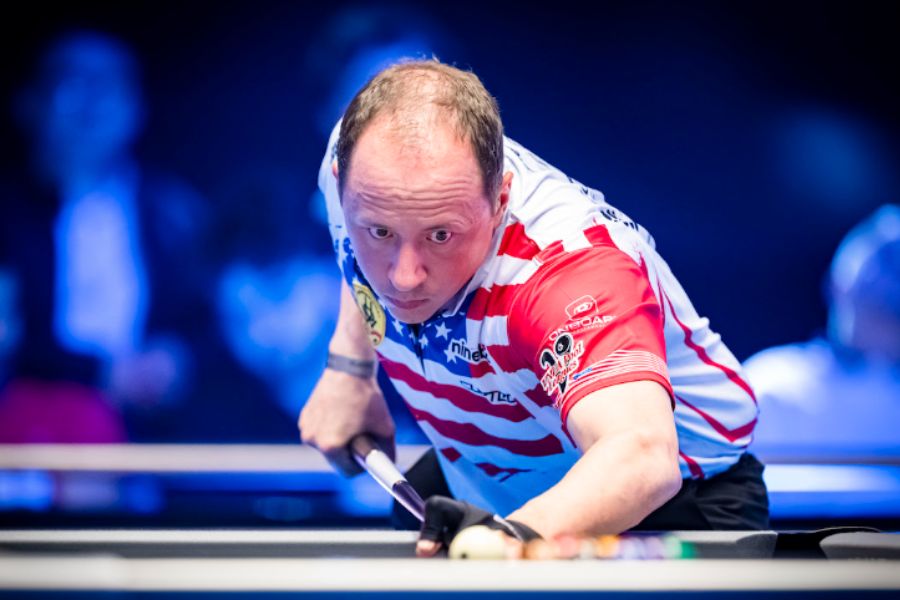
American player Shane Van Boening, one of the greatest of all time, was crowned champion at the 2023 WPA World 8-Ball Men’s Championship.
9-Ball Tournament
- Basic 9-Ball Rules
- Nine-ball is played with one cue ball and nine numbered balls (1 to 9).
- The player must hit the lowest-numbered ball first on each shot.
- Calling a specific ball or pocket is not required.
- The game ends when a player legally pockets the 9-ball.
- 9-Ball Tournament Characteristics
- Standardized Rules: Official rule sets (like UPA) ensure fair play across tournaments.
- Competitive Setting: Players compete for prizes or ranking in a structured environment with entry fees and referees.
- Tournament Formats: Different formats (single-elimination, double-elimination, round-robin) determine how many games each player gets.
- Specific 9-Ball Tournament Regulations
- Racking: The opponent can inspect and request a re-rack once. If unsatisfied after the second inspection, the Tournament Director/Referee racks the balls (final).
- Break 9-Ball: The 9-ball doesn’t count in the bottom two pockets. If pocketed there, it’s spotted, and the breaker shoots from where the cue ball lies.
- Ball in Hand: Positioning the cue ball with hand, arm, or cue (excluding a shot attempt) is legal.
- Sudden Death Format: To encourage faster play, a 9-ball match that lasts 3 hours without starting the 5th individual match implements double points (each object ball—2 points, 9-ball—4 points).
- Scorekeeping: Matches end at 51 points (all play stops). Record pocketed balls, dead balls, 9-on-the-snap (9OS), and Break-and-Runs (BR). Patches for 9OS and BR are awarded (claimed by the Team Captain).
- Close Hits: If a “bad hit” occurs, a player or a Tournament Official can stop the game for a final decision.
- Limited Senior Players: Teams cannot have more than two Senior Skill Level players (skill level 6 or higher) per match. A violation (the third Senior player starts the game) leads to a forfeit.
- Tie Breakers: If a team match ends 50-50, the team with the most individual game wins. If it is tied 40-40 after four matches and there is no fifth player, the team that first wins two individual matches wins.
- Renowned 9-Ball Tournaments
- The WPA World Nine-ball Championship by the World Pool-Billiard Association (WPA).
- The Mosconi Cup by Matchroom Sport.
- The US Open Pool Championship by the American Poolplayers Association (APA).
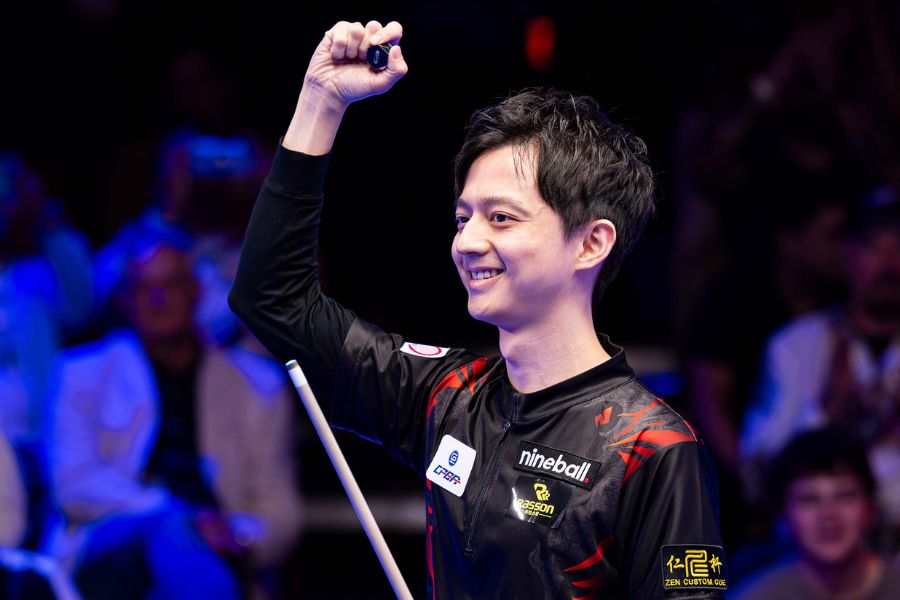

Taiwanese player Ko Ping-Chung claimed the 46th US Open Pool Championship 9-ball title in 2023.
Straight Pool (14.1 Continuous) Tournament
- Straight Pool Tournament Methods
- Break Shot: Mastering different break techniques (center break, stop shot) allows the player to strategically spread the balls and position the cue ball for the next move.
- Shot Selection: Opt for shots that pocket a ball and leave the cue ball favorably positioned for the next attempt. Consider the angles of both balls, the cue ball, and potential caroms (ball rebounds) to set up future chances.
- Safe Play: When there’s no clear shot, focus on placing the cue ball in a “safe” spot. This method makes it challenging for the opponent to gain an advantage on their next turn.
- Straight Pool Tournament Strategies
- Run Management: Aim for high runs by stringing together successful shots. This strategy requires a deep understanding of angles, effective pocketing techniques, and precise cue ball control.
- Reading the Rack: After each shot, analyze the remaining balls and the cue ball’s position. This “reading” helps players understand potential pathways for pocketing balls and strategically plan their next moves.
- Popular Straight Pool Tournaments
- American 14.1 Straight Pool Championship by promoter Peter Burrows.
- Dynamic Billard European Pool Championships by the European Pocket Billiard Federation (EPBF).
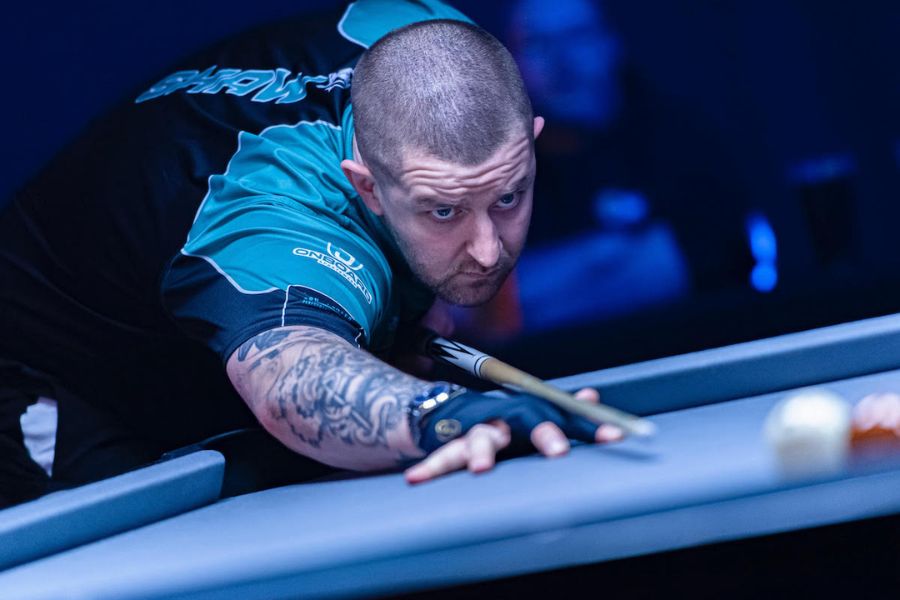
Scottish player Jayson Shaw is currently the Straight Pool world record holder with 669 balls (BCA certified).
Other Variants
One Pocket Tournament
- International One Pocket Tournament Rules
- Double Elimination Bracket: Players compete in a double-elimination format until only 8 players remain, granting a second chance after losing the first match.
- Single Elimination Playoffs: Following the double-elimination stage, the remaining players compete in a single-elimination bracket, and one loss eliminates them from the tournament.
- Race to 3: All matches, including the finals, are raced to 3 games. The first player to win 3 games claims victory.
- Lagging: Players “lag” the cue ball before each rack to determine who breaks; no coin flips.
- Racking and Inspection: Players rack their balls, and opponents can inspect the rack before the break.
- Cue Ball Fouls Only: Only fouls committed with the cue ball incur penalties; object ball fouls are not penalized.
- Intentional Fouls: Players must use a legal stroke to commit a deliberate foul. Otherwise, the referee may penalize them for unsportsmanlike conduct.
- Negative Scores: Players cannot have negative scores; an opposing scorer adjusts to zero after a foul, not below.
- Immediate Loss: Reaching a score of -5 or lower causes the players an instant loss.
- Famous One Pocket Tournaments
- US Open One-Pocket Championship by the American Poolplayers Association (APA).
- European Onepocket.org Tournament by the Onepocket.org.
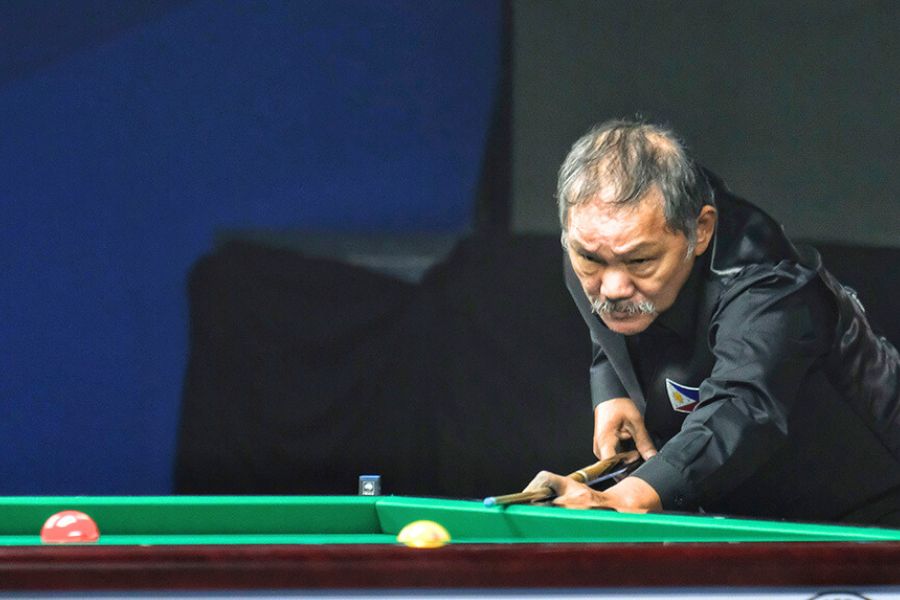
Filipino player Efren “Bata” Reyes holds wide acclaim as one of the greatest one-pocket players in the world.
Bank Pool (Bank Shot) Tournament
- International Bank Pool Tournament Rules
- Call the Shots: Announce ball, pocket, and cue ball path before each shot. Obvious shots don’t need calling.
- Scoring: 1 point per legal pocket. Extra pocketed balls get re-spotted later.
- Legal Bank Shots: Cue ball must strike the object ball first, then a clean pocket with no other balls touched. No rail-first shots or caroms allowed.
- Break Shot: At least 1 ball crosses the table’s center (9-ball), or 2 object balls hit a rail (full rack) for a legal break. Pocketed balls on the break don’t count, but let the player continue shooting.
- Fouls: Cue ball pocketed, no balls pocketed/touch a rail after hitting the first object ball—Minus points for fouls. Legally pocketed balls on fouls get re-spotted.
- Object Ball Off Table: Not a foul; the ball is re-spotted.
- Re-Spotting: Incorrectly or illegally pocketed balls are placed on the foot spot or a line below it.
- Famous Bank Pool Tournaments
- US Open Bank Pool Championship by the American Poolplayers Association (APA).
- Annual Bank Pool Tournament by the Derby City Classic.

American player Billy Thorpe won the 2023 US Open Bank Pool Championship.
Process of Organizing a Professional Pool Tournament
Organizing a professional pool tournament demands careful planning and execution. Here’s a breakdown of the essential steps:
Step 1: Defining The Tournament Vision
Decide on the type of competition—is it single-elimination or double-elimination? Choose a game variation, like classic Eight-ball, fast-paced Nine-ball, or demanding Straight Pool. Develop game rules per global pool standards, ensuring all players understand them before joining.
Identifying the target audience is crucial—is it seasoned professionals, enthusiastic amateurs, or regional players? Tailor the tournament format, entry fees, and prize pool to attract the right players and create an appealing event.
Step 2: Securing Funding And Sponsorship
Begin by crafting a comprehensive budget covering all anticipated expenses, including venue rental, equipment, staff wages, and marketing. Then, explore potential revenue streams such as participation fees, sponsorships, and concessions.
Contact local businesses, equipment manufacturers, and billiards organizations to explore sponsorship opportunities. In return, offer them valuable marketing benefits, such as logo placement on tournament materials or product showcasing during the event.
Decide how to distribute the winnings—will all winnings go to the top player or be split among multiple players? Dividing prizes boosts motivation by increasing everyone’s chance of winning. The strategy depends on the organizer’s preference; for example, 50% to first place, 30% to second, and 20% to third.
Step 3: Ensuring High-Quality Pool Equipment
If the organizer already has top-notch pool tables, cues, racks, balls, and other essentials, that’s one less concern! If not, Pearson® Cues offers premium pool cues suitable for professional and recreational players. Our product line features traditional mosaic designs and modern options to align with evolving trends in the pool industry.
Contact us or explore more pool cue series.
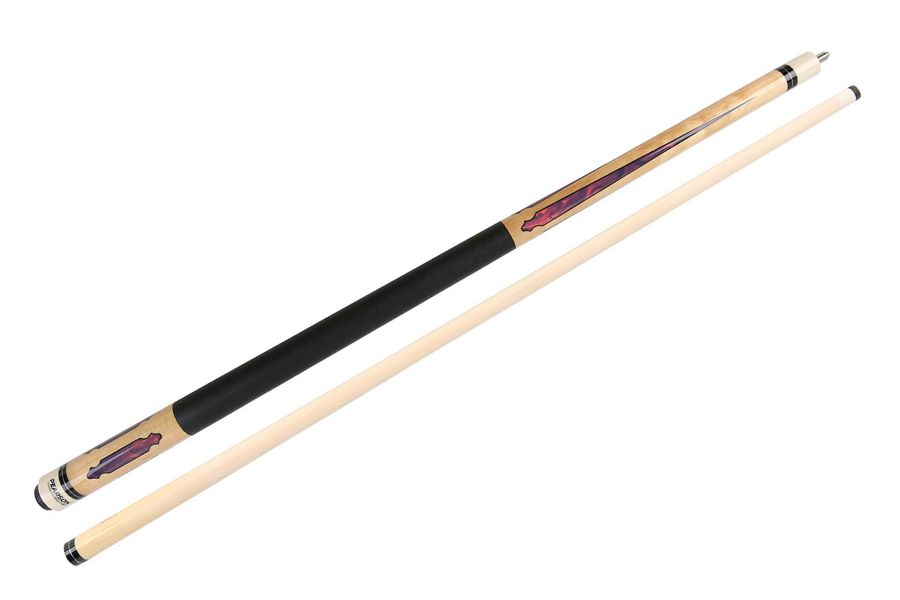
The Pearson® League Series Cues.
Step 4: Focusing On Tournament Logistics
It’s time to handle the critical behind-the-scenes tasks that ensure a smooth and successful event.
Develop a registration system that caters to both tech-savvy and traditional players. Offer online registration via a dedicated website or mobile app for convenience—partner with local billiards rooms for in-person registration to engage the local community.
Additionally, create a dedicated event website displaying format, schedule, prizes, and location details. Utilize social media platforms (e.g., Youtube and X) and targeted online advertising to reach billiards enthusiasts. Employ traditional methods like eye-catching flyers and local media partnerships to expand reach.
Step 5: Assembling The Tournament Executive Board
Recruit a team of qualified referees and scorekeepers with professional certifications and experience. Their expertise is crucial for ensuring fairness and maintaining order throughout the competition. Organizations like the APA or the BCA certify officials. Consider contacting them to locate qualified officials in the organizer’s area.
Step 6: Executing The Match Day
Ensure smooth event operations with an efficient registration process. Staff must verify registrations, address inquiries, and inspect equipment for rule compliance.
A clear fixture schedule is essential. Utilize visual brackets for single or double-elimination formats, showing player matches and potential paths for elimination. Seeding, ranking players by skill level, is crucial for fair competition. Utilize an established ranking system or conduct pre-qualifications to determine player positions.
In today’s digital era, provide live updates via social media or a dedicated tournament website. Real-time scores, match updates, and live streaming of key matches can enhance viewer experience and engage fans throughout the day.
Step 7: Arranging Post-Tournament Activities
Arrange an awards ceremony to celebrate the champions, top performers, and supportive sponsors who contributed to the event’s success: present trophies, prize money, or other tokens of appreciation to the winners.
Gathering feedback post-tournament helps identify areas for improvement, like registration, scheduling, or venue amenities. Integrating this feedback into future planning can establish the billiards tournament as a highly anticipated event year after year.
Frequently Asked Questions
What Is The Biggest Pool Tournament?
The APA World Pool Championships is the largest pool tournament in the world.
What Are MPA Pool Tournaments?
The Midwest Poolplayers Association (MPA) is a non-profit in Minnesota that supports amateur pools. It organizes pool leagues, sanctions players, and holds big tournaments for its members.
How To Find Pool Tournaments Near Me?
Many pool leagues, like the Billiard Congress of America (BCA) and the American Poolplayers Association (APA), often have Bank Pool tournaments as extra events. Visit their websites (https://poolplayers.com/ and https://bca-pool.com/) or ask the local league chapter about upcoming pool events.
