
Key Takeaways
- Leveraging a pool table brush and White Vinegar are two simple tips in our guide on how to clean pool table felt. We provide the remaining insightful tips below.
- Wool and synthetic fibers benefit pool table felt, with wool providing durability and performance. How about synthetic fibers? Scroll down to find the answer.
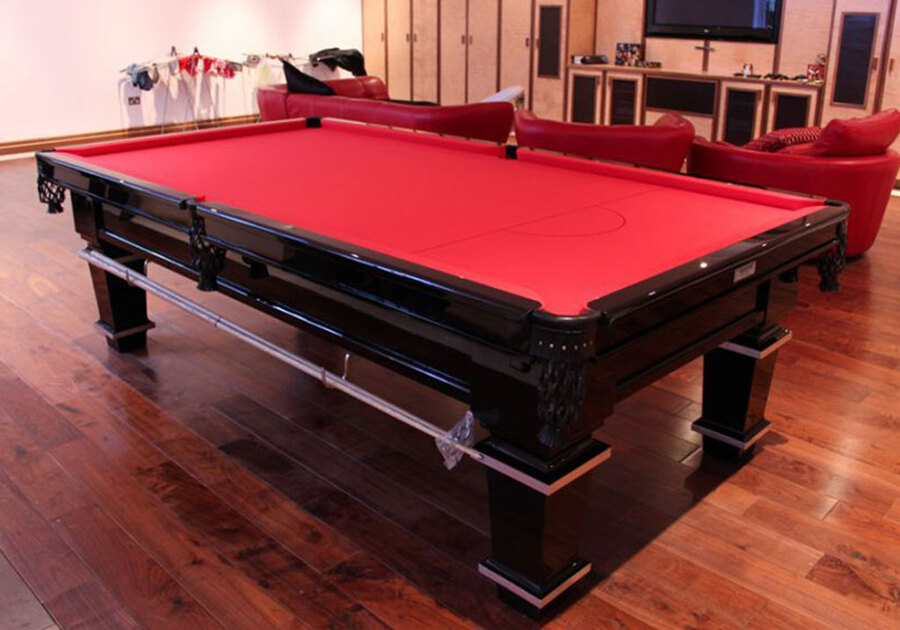

Pool table felt
Understanding Your Pool Table Felt
Before learning how to clean pool table felt, you must understand your pool table felt. A well-maintained pool table felt is crucial for optimal gameplay.
How Wool Enhances Pool Table Felt Quality
Wool is preferred for high-quality pool table felt due to its durability and performance. The natural fibers of wool provide a smooth, consistent surface, reducing friction and allowing for precise ball control.
Additionally, wool’s resilience helps the felt withstand the wear and tear of regular play, maintaining its integrity over time.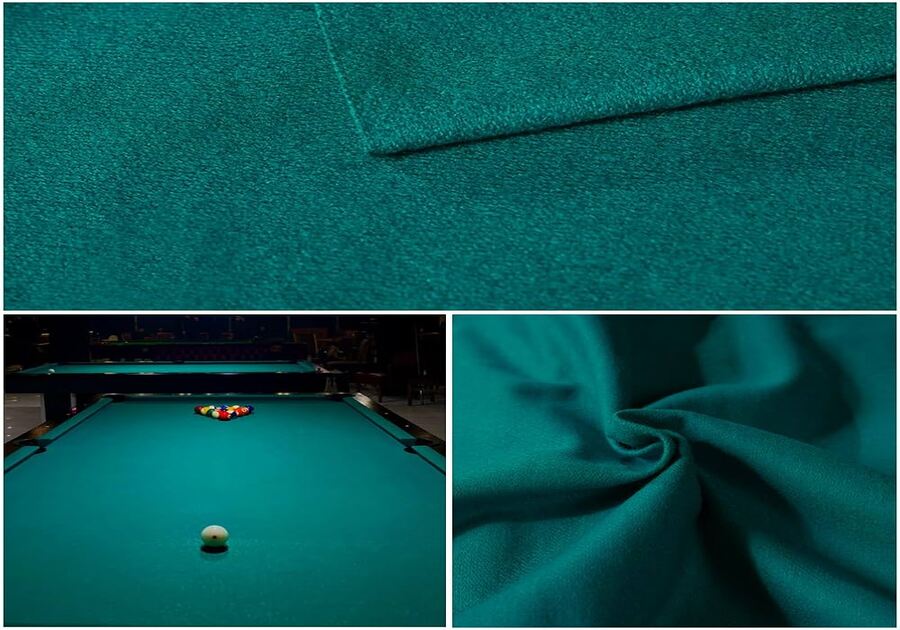
The wool in table felt
The Value of Synthetic Fibers in Pool Table Felt
Synthetic fibers offer several advantages over wool. They are often more affordable and can be engineered to mimic wool’s properties. These fibers are resistant to spills and stains, making them easier to clean and maintain.
Combining synthetic fibers with wool can enhance the felt’s durability and performance, providing a cost-effective solution without compromising quality.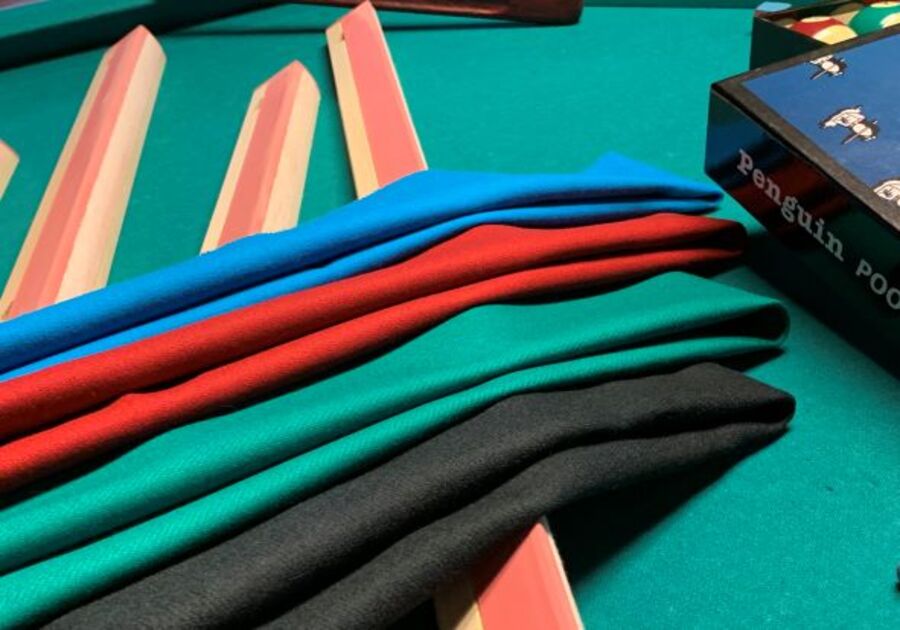
Synthetic fiber in pool table wool
See more: 5 Steps Before Buying Pool Tables: Pre-Purchase Checklist
Common Mistakes to Avoid When Cleaning Your Pool Table
Proper cleaning is a must to prolong the life of your pool table felt. However, certain mistakes can cause more harm than good:
1. Using Harsh Chemicals:
Harsh chemicals can break down the delicate fibers of the felt, leading to premature wear and a rough playing surface.
- Alternative: Use mild, pH-balanced pool table cleaner specifically designed for pool table felt. These cleaners are formed to be gentle yet effective in removing dirt and stains without destroying the material.
2. Using Abrasive Materials:
Abrasive materials, such as rough brushes or scouring pads, can cause friction, burns, and tears in the felt, compromising its smoothness and integrity.
- Alternative: Opt for soft-bristle brushes or microfiber cloths, which are gentle on the felt and effective at picking up dust and debris without causing harm.
3. Excessive Water Use:
Over Soaking the felt with water can lead to several issues, including warping the table bed, mold growth, and weakening the adhesive that holds the felt in place.
- Alternative: If you need to use water for cleaning, lightly dampen a cloth or sponge and gently blot the area. Allow air circulation and avoid direct heat sources to ensure the felt dries completely.
4. Ignoring Manufacturer’s Guidelines:
Each pool table felt may have specific care instructions based on its material composition and manufacturing process. Ignoring these guidelines can lead to unintended damage and void warranties.
- Alternative: Always refer to the manufacturer’s instructions for cleaning and maintenance. These guidelines are tailored to the specific felt type and provide the best practices for preserving quality and performance.
5. Using Improper Cleaning Techniques:
Improper techniques, such as scrubbing in circular motions, can stretch and distort the felt, creating uneven surfaces that affect gameplay.
- Alternative: Use straight, gentle strokes when brushing or wiping the felt. This method helps maintain the alignment and texture of the fibers, ensuring a consistent playing surface.
6. Neglecting Regular Pool Table Maintenance:
Allowing dirt, dust, and debris to accumulate on the felt can cause it to wear out more quickly and negatively impact the ball’s movement.
- Alternative: Establish a regular cleaning routine, brush the felt after each session, and periodically perform deeper cleanings. This routine helps maintain the felt’s condition and enhances the playing experience.
Essential Cleaning Supplies for Pool Table Felt Maintenance
To understand how to clean pool table felt, you must gather the necessary items first. Let’s see the list below:
- Soft-bristled brush
- A lint-free dry cloth or microfiber cloth
- Mild dish soap
- Warm water ( distilled optional)
- White vinegar
- Blotting paper or paper towels
- Vacuum
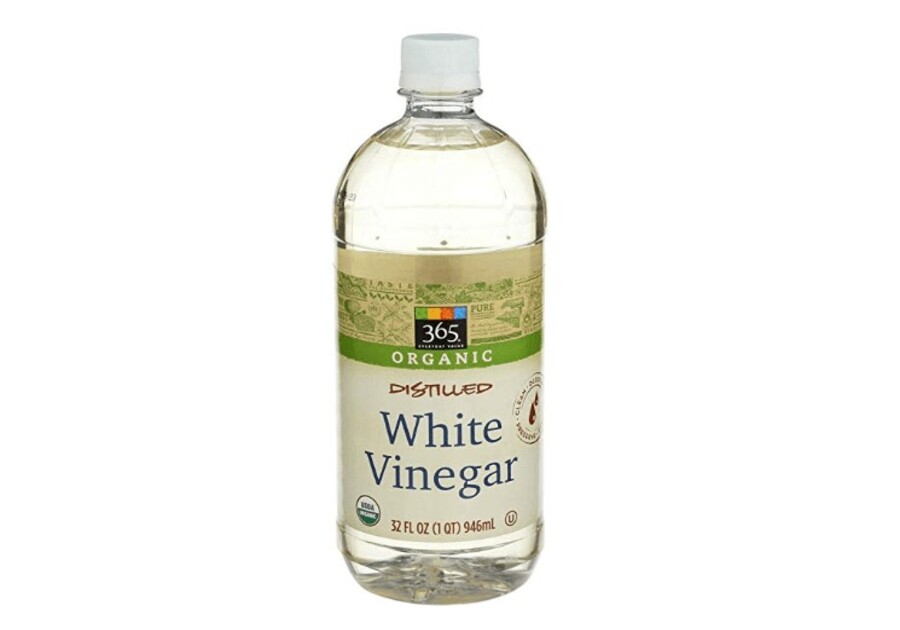
White vinegar
Effective Tips and Tricks for Pool Table Felt Cleaning
Properly maintaining your pool table felt ensures a smooth playing surface and prolongs its life. Here’s a detailed guide on the essential cleaning supplies and techniques:
Obtain a Pool Table Brush
One of the best ways to clean pool table felt is to obtain a pool table brush. A pool table brush is specifically designed to clean pool table felt. It features one end with longer bristles to reach under the rails and soft bristles to prevent damage to the felt.
Brush the surface of the felt from one end to the other in straight lines. Avoid circular motions or back-and-forth movements to prevent misalignment of the felt fibers.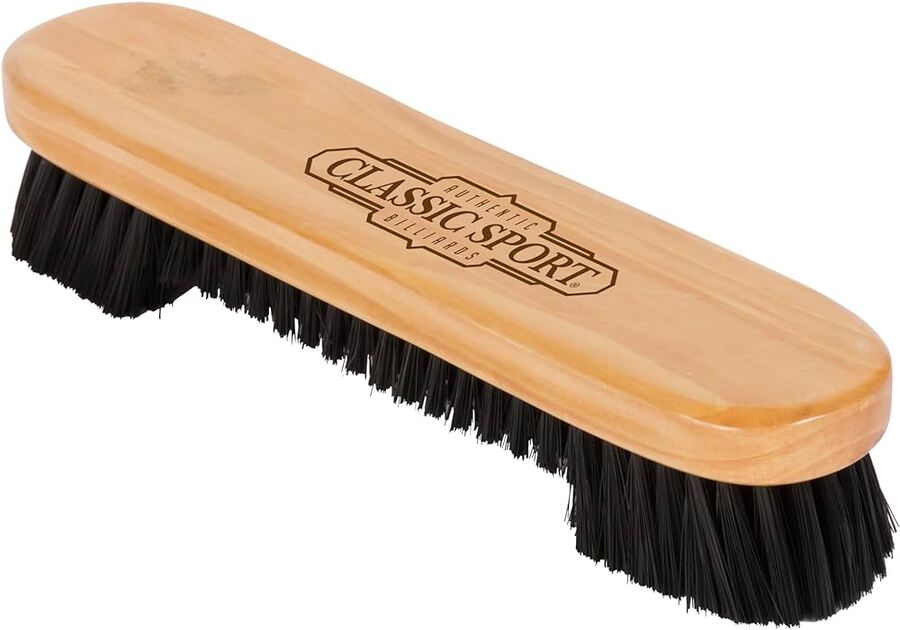
Pool table brush
Lint-Free Dry Cloth or Microfiber Cloth
Lint-free or microfiber cloths are perfect for wiping down the felt and removing fine particles the brush may not pick up.
Use a dry microfiber cloth for regular dusting or a slightly dampened cloth for deeper cleaning.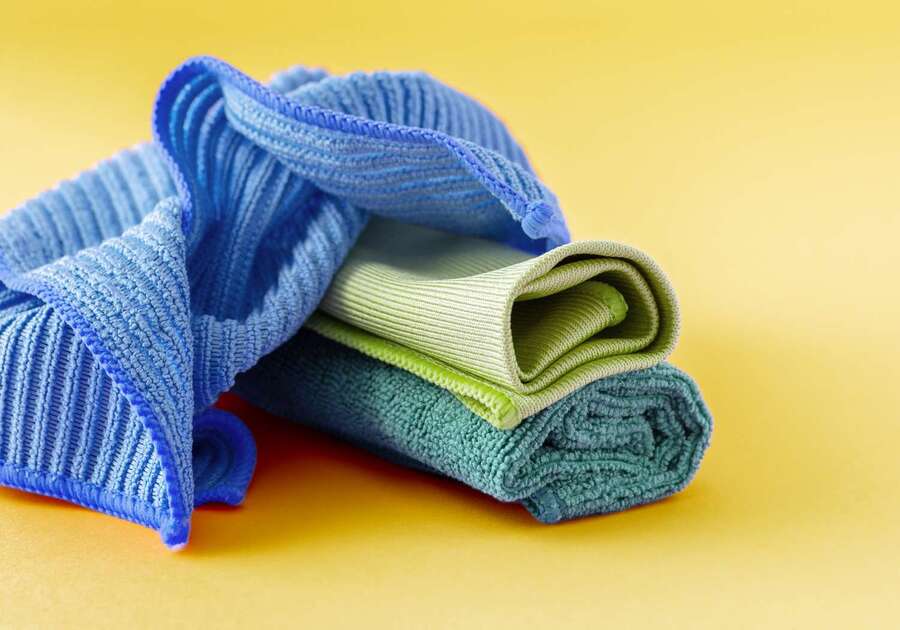
Lint-Free Dry Cloth or Microfiber Cloth
Mild Dish Soap
Mild dish soap can help break down stains and grime without harming the felt. Mix a small amount of dish soap with warm water to generate a cleaning solution. Be sure to use sparingly to avoid soaking the felt.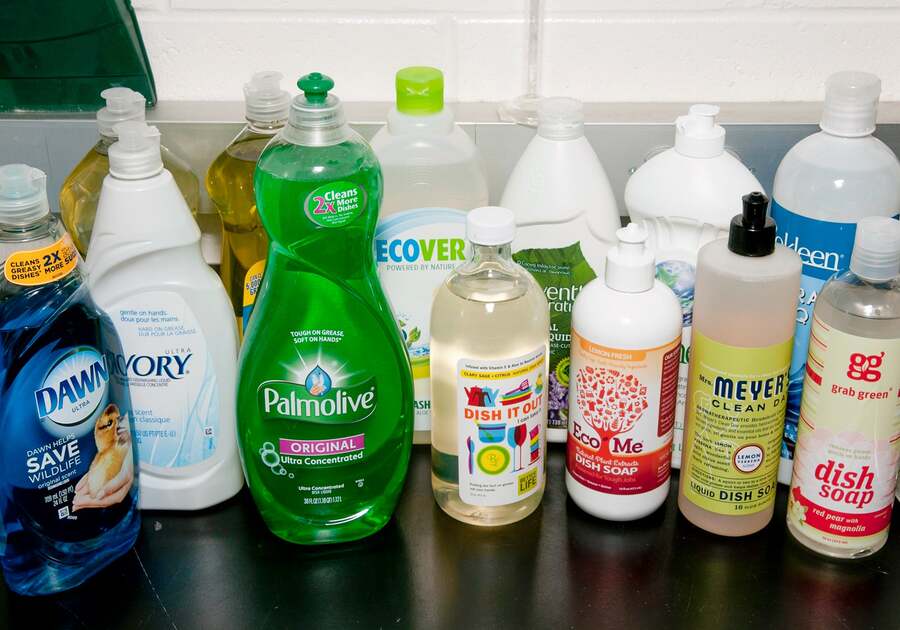
Mild dish soap
Warm Water (Distilled Optional)
Warm water is used to mix with cleaning agents and for spot cleaning. Distilled water is preferred as it does not contain minerals that can leave residues.
Lightly dampen a cloth with warm water to clean. Avoid excessive water to prevent damage to the felt.
White Vinegar
White vinegar is a natural cleaning agent that can remove odors and break down stubborn stains.
Dilute white vinegar with equal water and use it to spot clean areas with tough stains. Always blot gently with a cloth.
Blotting Paper or Paper Towels
Blotting paper or paper towels is essential for quickly absorbing spills and excess moisture from the felt. You must immediately blot any liquid spills to prevent the liquid from seeping into the felt and causing damage.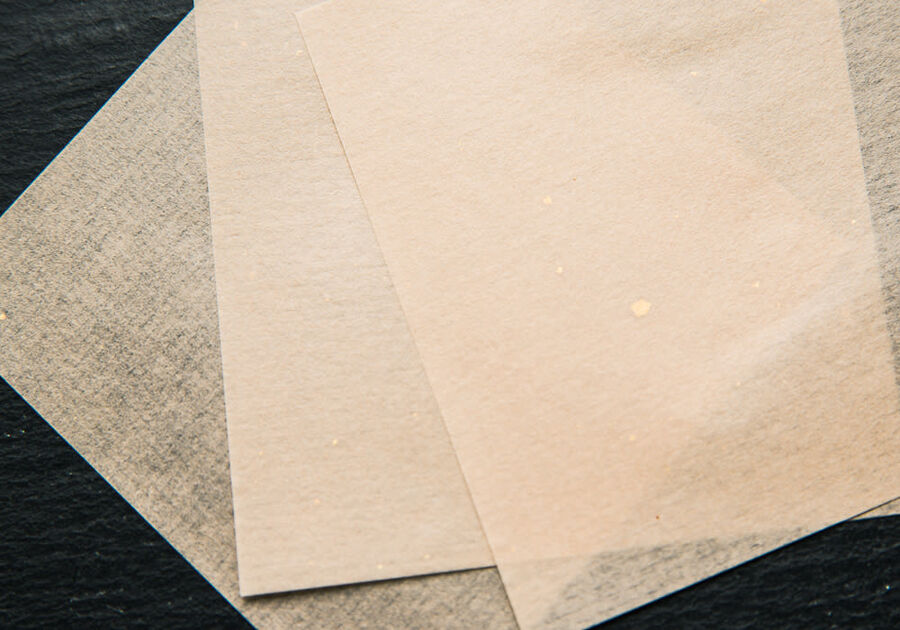
Blotting Paper or Paper Towels
Vacuum
A vacuum with a brush attachment can amazingly remove dust and fine debris from the felt. Use the vacuum on a low setting with a soft brush attachment to clean the felt gently without pulling or stretching it.
Dealing with Different Types of Stains on the Pool Table Felt
Now you know how to clean a pool table. However, how can you manage to deal with different types of stains? Let’s see our instructions below:
Liquid Stains
- Directly blot the spill with paper towels or paper to soak up as much liquid as possible.
- Mix water with a mild detergent. Avoid harsh chemicals because they damage the felt.
- Use a cleaning solution to moisten a soft cloth and gently dab the stain. Avoid rubbing to prevent the stain from spreading and damaging the felt fibers.
- Let the area air dry completely. Avoid using heat sources like hairdryers, as they can shrink or damage the felt.
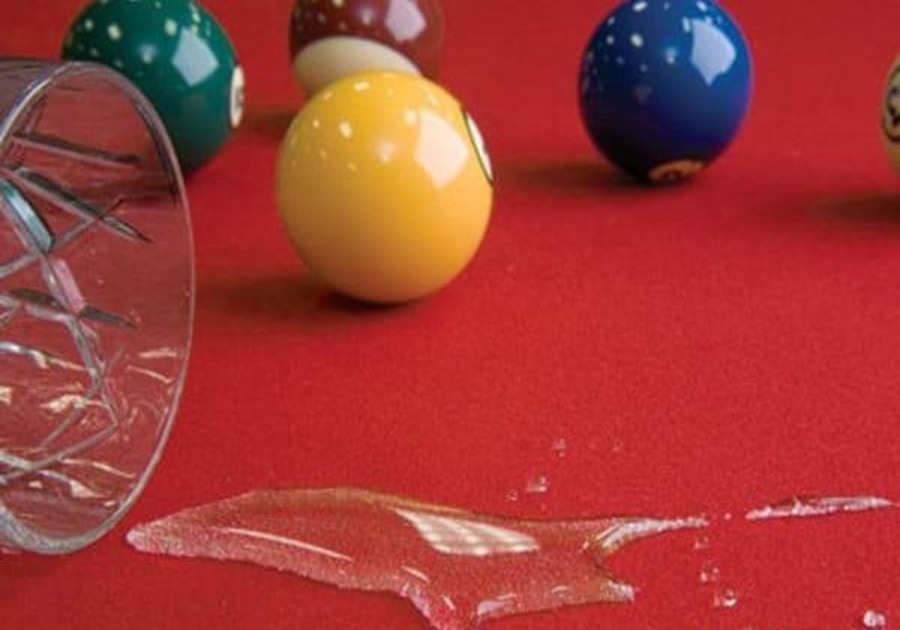

Liquid stains
Chalk and Dust
- Gently sweep the surface of the felt, always moving in one direction to remove the debris.
- To remove finer particles, use a hand-held vacuum with a brush attachment on a low-suction setting. Standard vacuum pool table cleaners can be too harsh and may damage the felt, so they should be avoided.
Stubborn Stains
- Use a cleaner specifically created for pool table felt. Always test the cleaner on a small area first to ensure it doesn’t damage the felt.
- Follow the manufacturer’s instructions on the cleaner, applying it gently to the stain. Avoid over-saturating the felt.
- If the stain resists all efforts, consider seeking professional cleaning services. Professionals have the right tools and expertise to clean the felt without causing damage.
See more: What Is A Slate Pool Table? 2 Types of Slate Pool Tables
Frequently Asked Questions
What Is The Best Thing To Clean The Pool Table Felt With?
It can be a soft-bristled brush. Always sweep the surface gently, moving in one direction to gather and eliminate the debris. A hand-held vacuum with low suction can work well for smaller particles. It’s crucial to avoid regular vacuum cleaners as they may be too rough on the felt.
Can Pool Felt Be Washed?
In that case, you want to proceed carefully when cleaning the pool table felt stains. If you are tempted to use detergent or soap, forget it! The actual way to remove those difficult stains is by using warm water with a clean microfiber or cotton cloth.
How Often Should You Change Pool Table Felt?
If you play pool four or more times a week, you should replace the felt on your pool table every two to five years. If you only play pool occasionally, your pool felt can last between five and fifteen years.
Can you steam clean pool table felt?
Steam clean your pool table felt every six months for optimal performance. A steam cleaner uses high heat and pressure to loosen stains, oil, and debris from the table’s surface. Use an all-purpose cleaner or one specifically for pool tables for the best results.
